Remodelling scar tissue and rebuilding collagen to restore smoother, more even-looking skin.
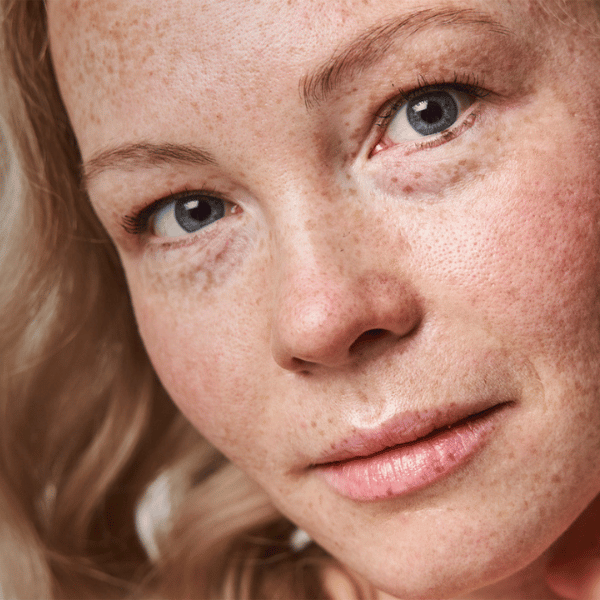
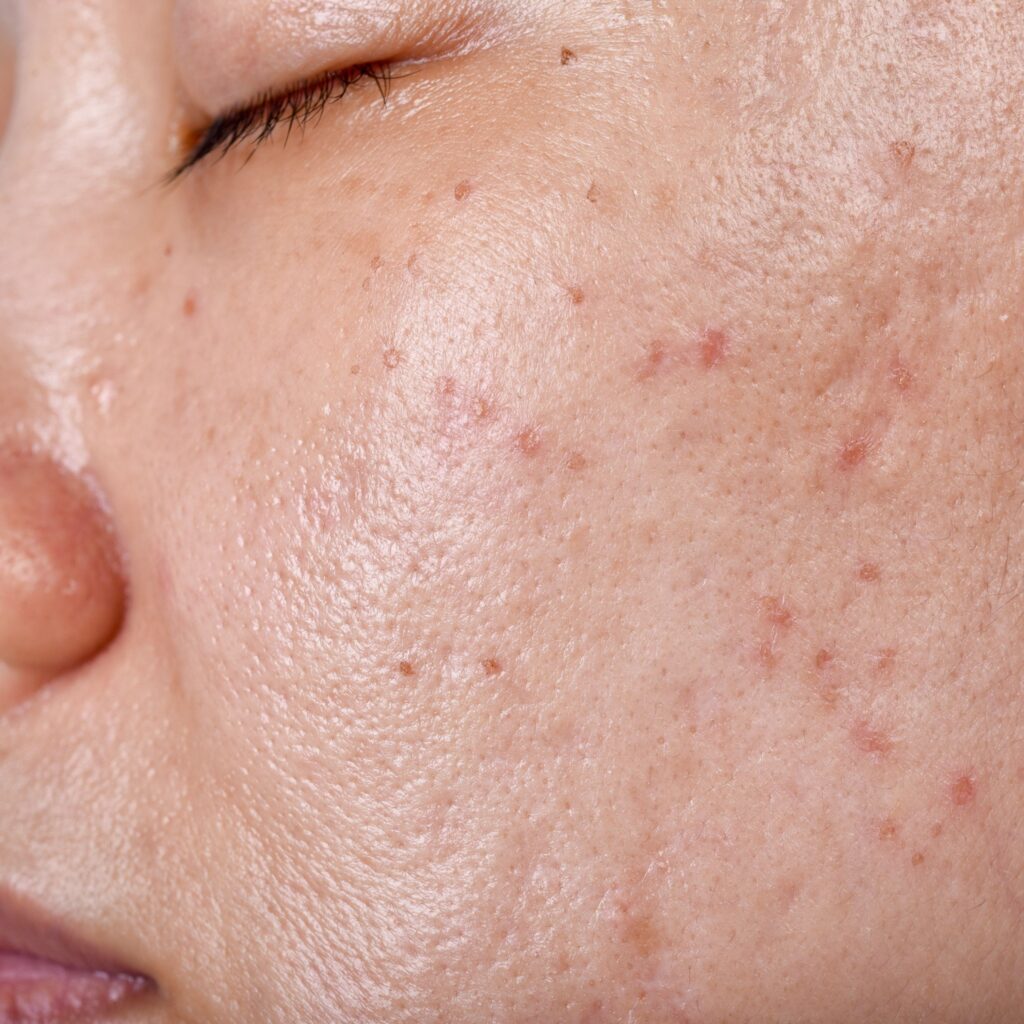
Acne scarring can develop when inflammatory acne damages deeper skin layers and disrupts normal tissue repair. When a lesion becomes significantly inflamed, the follicle wall can rupture and inflammatory material spreads into the surrounding skin. The body then begins a repair process involving new collagen: if it produces too little, an indentation or atrophic scar may remain; if it produces too much, a raised hypertrophic or keloid scar can develop.
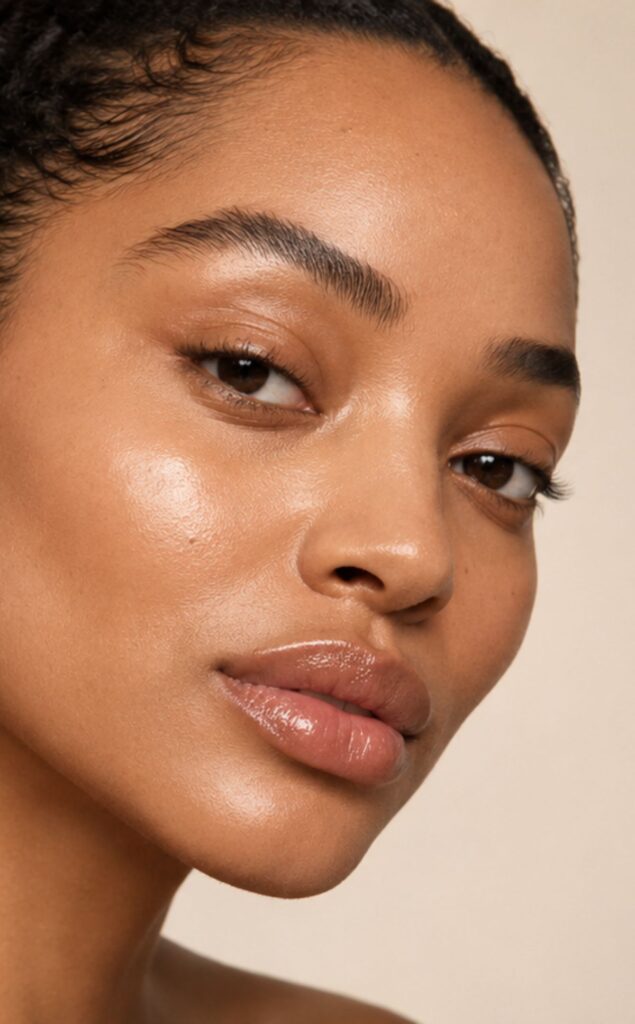
Scars vary considerably in appearance.
Acne can also leave flat areas of red, brown or darker pigmentation. These post-inflammatory marks are commonly mistaken for scarring but do not involve a permanent change to the skin’s structure, and they may require a different treatment approach.
Several scar types frequently occur together, which is why treatment often involves a combination of techniques.
At 111 Harley Street, we assess your acne scarring by type, depth, distribution, and severity before recommending a personalised plan to improve texture, tone, and overall skin quality.

Straightforward answers on scar types, acne marks and the treatments that can improve them.









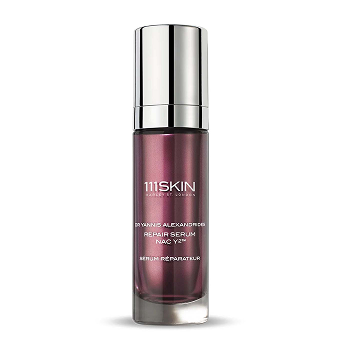
£216
£100 Original price was: £100.£99Current price is: £99.
£90 Original price was: £90.£89Current price is: £89.
£99 Original price was: £99.£89Current price is: £89.
All consultations are subject to the applicable charge at the time of booking. This is deducted from the cost of your procedure or treatment*
Surgical Procedures Virtual Consultation Fee
Dr Yannis: £200
Non-Surgical In-Clinic and Virtual Fee
£50 which is deducted from your treatment or refunded after your consultation if you decide not to go through with your treatment plan