The concept of lasers can be intimidating – they conjure up ideas of Star Wars, raves and that one friend you know who was left scarred. The reality is, however, that Lasers are actually healing devices.
Used to create controlled trauma in the dermis, Lasers incite a reparative response in our skin that allows it to tone, tight, resurface and generally rejuvenate naturally.
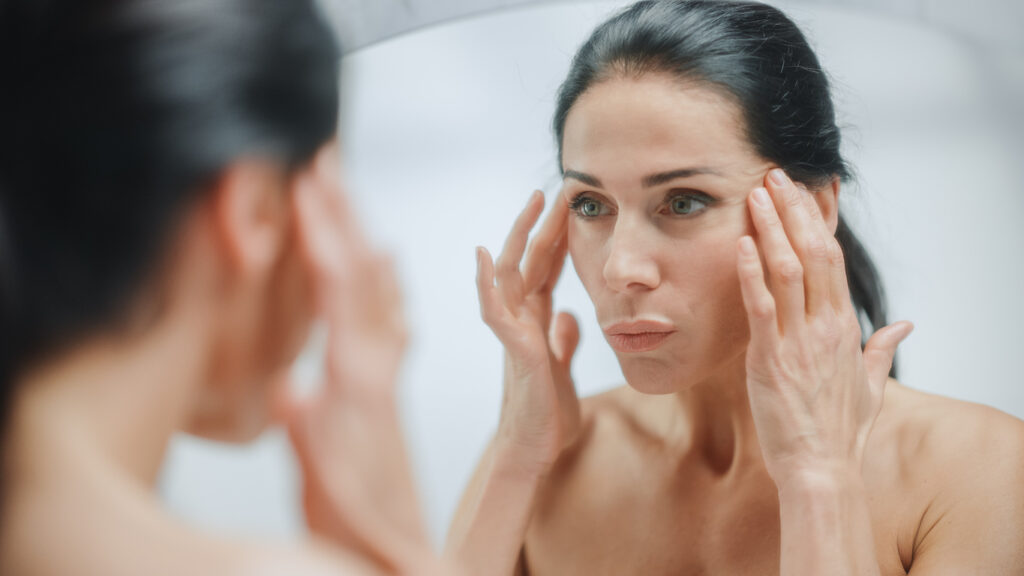
Chief among them is iPixel. A fractional ablative (meaning it is targeted and addresses the surface layers) laser treatment that can resurface the skin and can improve the appearance of texture and pigment related concerns, iPixel is highly effective for treating wrinkles, age spots, acne scars, large pores and rough skin texture by stimulating collagen renewal for a refreshed and radiant complexion.
iPixel is best for:
– Scarring
– Acne scarring: ice pick scars, rolling scars, boxcar scars
– Fine lines and wrinkles
– Superficial pigmentation
– Sunspots
– Sagging skin
– Texture concerns – large pores
– Crepey skin
– Skin Tightening
Basically, it is the skin’s equivalent to a really great workout – one that effectively addresses a holistic range of concerns.
One benefit of iPixel laser is that it is a very controlled technology and thus has a markedly lower risk of creating post-trauma pigmentation – something that can occur with other (non-fractional) ablative lasers like CO2.
How does it work?
The fractional ablative laser treatment delivers precise beams of energy in a pixel-size formation to target specific cells. The surrounding cells remain intact, which speeds up healing. The heat from the energy destroys the injured or damaged cells and stimulates collagen production to remodel and fill in the area with new healthy cells.
What does the procedure involve?
The nurse will apply a numbing cream to minimise discomfort during treatment. We will configure the depth depending on the area and concern, and the device will make a few passes over your skin, delivering bursts of energy.
After the iPixel treatment, you may notice square formations with tiny pinprick dots on the skin. The nurse will apply a topical serum to minimise these marks.
Is there downtime?
Scabbing will occur following the treatment. After around three days post-treatment, you may notice track marks or little square scabs on the skin. It’s important not to pick these scabs off, but to let them fall off naturally.