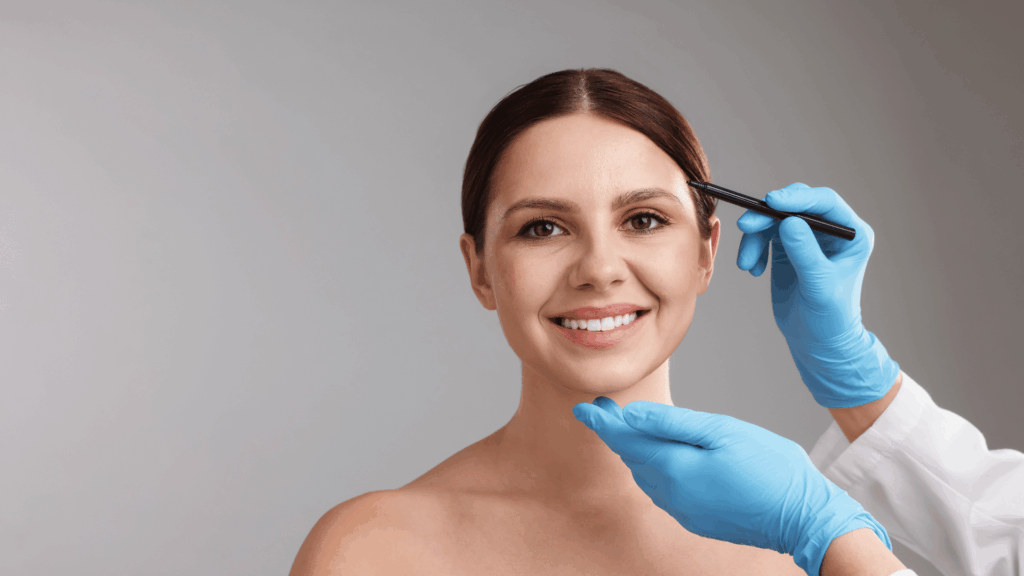
Acne and acne-prone skin are completely normal, and it’s time we approached acne with greater positivity. To mark Acne Positivity Day, we’re challenging common misconceptions and helping you work towards your skin goals by exploring our range of advanced acne treatments.
Rather than dismissing acne as ‘just a few spots here and there’, it’s important to recognise it as a common skin condition that can affect people of all ages. NHS research shows that acne affects the majority of people at some point in their lives, including both teenagers and adults.
Acne can affect more than just your skin; it can also have a significant impact on your confidence and self-esteem. Misconceptions that acne is caused by poor hygiene or is contagious can make the experience even more challenging.
At 111 Harley St., we believe in providing accurate information and personalised care. In this guide, we’ll explain what causes acne, debunk common myths and explore treatments that can help manage breakouts, improve skin texture and reduce the appearance of acne scarring.
Understanding Acne: What Causes It?
Acne is a common skin condition associated with excess sebum production, clogged pores, bacteria and inflammation.
The sebaceous glands produce sebum, an oily substance that helps keep the skin lubricated. When excess sebum combines with dead skin cells, it can block hair follicles and contribute to breakouts. The skin bacterium Cutibacterium acnes, previously known as Propionibacterium acnes, can also contribute to inflammation.
Acne is not a sign of poor hygiene. In fact, excessive cleansing and harsh skincare products can irritate the skin and potentially aggravate existing symptoms.
Common Acne Myths: What You Need to Know
Myth 1: Acne Only Affects Teenagers
Although acne is common during adolescence, it can affect people at any age. Many adults experience persistent acne or develop breakouts for the first time in their 20s, 30s, 40s and beyond.
Hormonal fluctuations, genetics and other individual factors can contribute to adult acne, making it important to choose treatments suited to your skin’s needs.
Myth 2: Acne Only Appears on the Face
While facial acne is common, breakouts can also develop on other areas of the body, including the back, chest, shoulders, arms and buttocks.
Acne can present in different forms, including blackheads, whiteheads, papules, pustules and deeper inflammatory lesions such as nodules and cysts. More severe forms of acne can be painful and may increase the risk of scarring.
Understanding the type and severity of your acne is an important step towards finding an appropriate treatment.
Professional Acne Treatments at 111 Harley St.
From active breakouts to lingering acne scars, a personalised treatment plan can help address your skin concerns. At 111 Harley St., we offer a range of treatments designed to improve skin clarity, texture and overall appearance.
1. Potenza RF Microneedling
Ideal for addressing selected acne-related concerns and scarring, Potenza RF Microneedling combines microneedling with radiofrequency energy to support skin rejuvenation.
Ultra-fine needles create controlled micro-injuries in the skin, while radiofrequency energy delivers heat to targeted tissue. Together, these techniques stimulate the skin’s natural healing response and collagen production, helping improve skin texture and the appearance of acne scars.
Potential benefits include:
- Improved skin texture and firmness.
- Reduced appearance of certain acne scars.
- Smoother-looking skin.
- A more even and revitalised complexion.
Treatment suitability depends on your skin condition. Active, inflamed acne may require assessment and management before certain microneedling procedures are considered.
2. ClearSkin Laser Treatment
ClearSkinPro combines light-based energy with vacuum-assisted technology to target acne-prone skin and address concerns such as congestion, inflammation and the appearance of acne scarring.
The treatment is designed to help improve skin clarity and texture while addressing factors associated with breakouts. Your practitioner can advise whether ClearSkin is suitable for your particular acne concerns.
Potential benefits include:
- Improved skin clarity.
- Reduced congestion and excess oiliness.
- A more even-looking skin tone.
- Improvement in the appearance of certain acne scars.
For persistent or severe acne, your practitioner may recommend combining in-clinic treatments with an appropriate medical skincare routine or other acne management options.
3. Chemical Skin Peels
Chemical skin peels use carefully selected acids to exfoliate the skin and encourage cell renewal. Depending on the formulation and strength, peels may help improve uneven texture, congestion, post-inflammatory pigmentation and overall skin tone.
Your aesthetic practitioner can recommend a peel based on your skin type, acne concerns and treatment goals.
Potential benefits include:
- Smoother skin texture.
- Improved appearance of post-acne marks.
- Reduced congestion.
- A brighter, more even-looking complexion.
The strength and type of peel should be selected carefully, particularly for sensitive or acne-prone skin, to minimise the risk of irritation and pigmentation changes.
4. Platelet-Rich Plasma (PRP) Treatment
Often referred to as a Vampire Facial, platelet-rich plasma (PRP) treatment uses a concentrated preparation of platelets derived from your own blood.
PRP is used in certain skin rejuvenation procedures to support the body’s natural repair processes. It may be considered as part of a personalised plan to improve skin quality and the appearance of some acne scars.
Potential benefits may include:
- Supporting skin rejuvenation.
- Improving the appearance of skin texture.
- Complementing selected acne-scar treatments.
PRP is not a first-line treatment for active acne, and results can vary. Your practitioner can advise whether it is appropriate for your skin and whether combining it with another treatment, such as Potenza, may be beneficial.
At-Home Acne Care: Supporting Your Treatment Results
Professional treatments can be complemented by a consistent, suitable skincare routine. Choosing products formulated for blemish-prone skin may help maintain skin comfort and support your overall treatment plan.
111SKIN Clarity Collection
Explore the 111SKIN skincare collection for products designed to complement your skincare routine. The Clarity Collection includes options such as the 3 Phase Anti Blemish Booster, which is formulated to target the appearance of blemishes.
When choosing skincare, look for products that suit your skin type and avoid introducing too many active ingredients at once, as this can lead to irritation.
Helpful everyday skincare habits include:
- Cleansing gently without scrubbing.
- Using a non-comedogenic moisturiser.
- Applying broad-spectrum sunscreen daily.
- Avoiding picking or squeezing spots.
- Introducing active skincare ingredients gradually.
If your acne is persistent, painful or causing scarring, seek advice from a qualified healthcare professional. A skincare routine alone may not be enough to manage moderate or severe acne.
Your Personalised Approach to Clearer-Looking Skin
Acne is a common skin condition, and experiencing it is nothing to feel ashamed of. Understanding its causes, challenging misconceptions and choosing suitable treatments can help you take a more positive approach to your skin.
At 111 Harley St., our approach focuses on individual skin concerns and treatment goals. Whether you’re looking to manage congestion, improve uneven texture or reduce the appearance of acne scarring, a consultation can help identify suitable options for your needs.
Discover the professional acne treatments available at 111 Harley St. and explore a personalised approach to healthier-looking skin.